


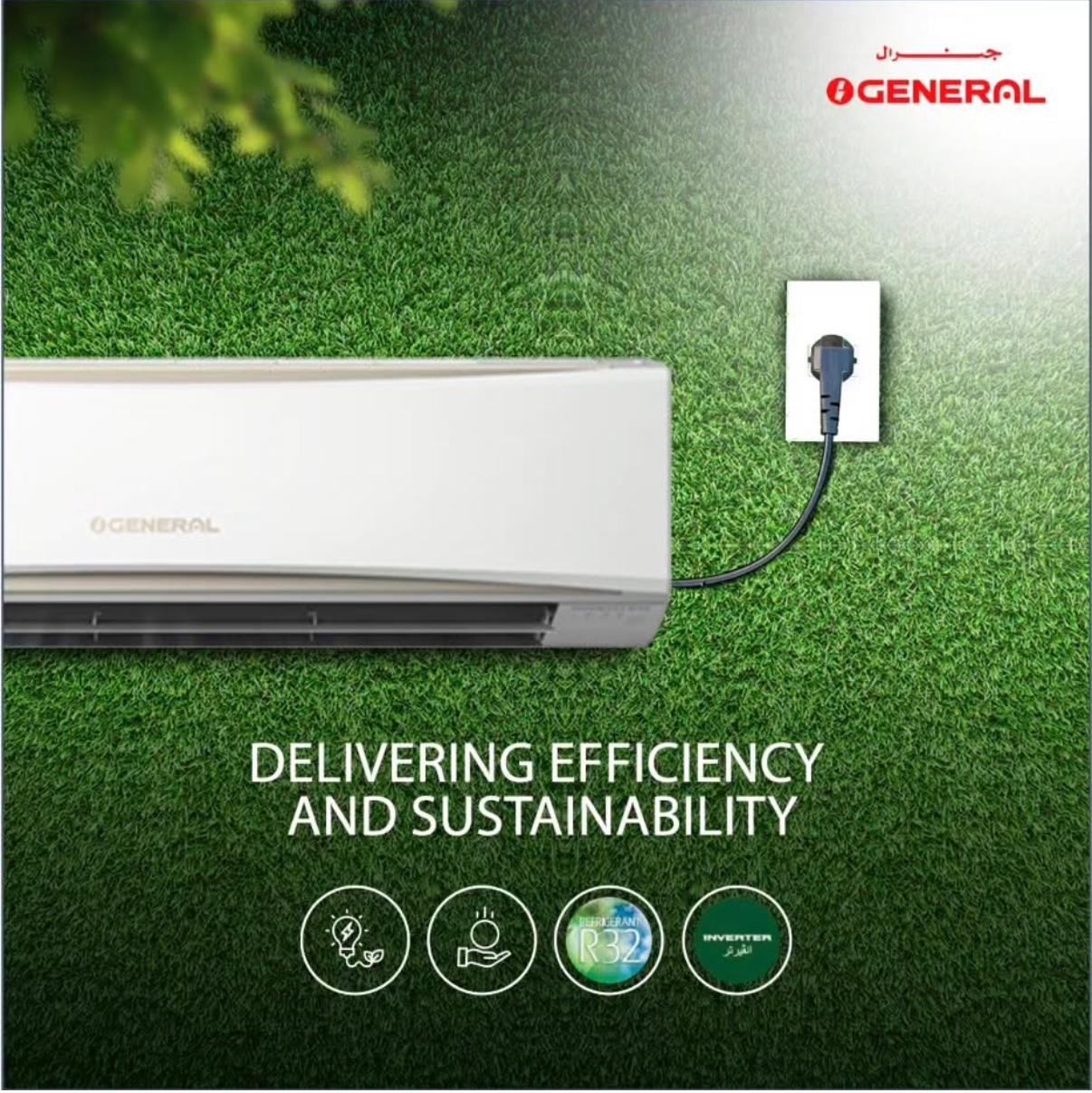

When peak summer temperatures surge past 50°C, a standard cooling unit is simply not enough. In regions with intense ambient heat, an air conditioner must deliver uncompromising airflow, extreme thermal resilience, and long-term mechanical reliability. Among premium HVAC brands, the O General split AC remains the gold standard for high-performance residential and commercial cooling.
Navigating the HVAC market to source authentic units, ensure correct tonnage, and secure professional installation requires working with an experienced partner. Whether you are upgrading a residential townhouse, fitting out a corporate office, or sourcing units in bulk for a development project, selecting an authorized split ac supplier and certified split ac dealer is critical.
This guide provides a comprehensive breakdown of O General cooling technology, compressor engineering, energy efficiency ratings, sizing metrics, and key criteria for choosing a trusted supplier.
Why Choose an O General Split AC for Extreme Climates?
O General (manufactured by Fujitsu General) has built a global reputation for heavy-duty HVAC engineering designed specifically for hyper-tropical environments. While standard residential units experience significant cooling capacity drop-off when outdoor ambient temperatures exceed 40°C, O General units are built to thrive under extreme thermal stress.
1. Advanced Compressor Engineering (T3 Tropical Ratings)
The core of any split ac is its compressor. O General utilizes high-torque, heavy-duty tropical compressors (both Tropical Rotary and Hyper Tropical Scroll compressors) specifically engineered for T3 climate classifications.
- Thermal Endurance: Operates continuously at ambient outdoor temperatures of up to 52°C to 55°C without tripping or losing efficiency.
- Oil Management: Specialized synthetic lubricant formulations prevent compressor overheating during extended high-load duty cycles.
- Vibration Isolation: Internal spring suspension reduces mechanical wear, lowering operating noise and extending equipment lifespan.
2. High-Static Airflow and Extended Throw
Cooling a room efficiently requires even air distribution, not just cold discharge at the grille. O General units feature redesigned wide-angle louvers and high-capacity blower fans capable of delivering air throw up to 15 meters or more. This prevents thermal stratification and eliminates hot spots in larger living rooms or open-plan commercial spaces.
3. Anti-Corrosion Hydrophilic Blue Fin Heat Exchangers
In coastal or high-humidity environments, atmospheric salt air and airborne condensation lead to rapid coil oxidation. O General treats its outdoor condenser coils with specialized anti-corrosive coatings:
- Blue Fin Technology: Protects aluminum fins against rust, acid rain, and salt buildup.
- Hydrophilic Properties: Allows condensed water to drain smoothly off indoor coils, preventing mold spore accumulation, reducing airflow impedance, and maintaining high heat exchange rates.
Comparing O General Split AC Technologies: Inverter vs. Conventional
Choosing the right internal technology impacts both initial purchase costs and long-term power bills. As a premier split ac dealer, we supply both Advanced Tropical Inverter models and Heavy-Duty Conventional Fixed-Speed units to match diverse budget requirements and application demands.
O General Tropical Inverter Split AC Units
Inverter technology adjusts compressor motor speed dynamically based on room heat load rather than turning the compressor completely on and off.
- Up to 40–50% Energy Savings: By running at reduced speeds once setpoint temperature is reached, energy consumption drops significantly.
- Precision Temperature Control: Maintains ambient room temperature within ±0.5°C of the thermostat setting.
- Eco-Friendly Refrigerants: Employs low-GWP refrigerants such as R32 or R410A for higher thermodynamic efficiency and lower environmental impact.
- Soft-Start Operation: Eliminates high electrical current surges during startup, extending electrical component longevity.
Heavy-Duty Fixed-Speed (Conventional) Split AC Units
Conventional units operate on a binary cycle—running the compressor at full capacity until the desired temperature is reached, then cycling off.
- Lower Upfront Capital Cost: Ideal for short-term rental properties, site offices, or budget-constrained installations.
- Simplified Electrical Components: Easier and faster component replacements in remote areas with basic service infrastructure.
- Maximum Instant Cooling: Delivers immediate, full-bore refrigeration load upon activation.
Technical Comparison Table: O General Split AC Series
| Model Series / Feature | O General Tropical Inverter Series | O General Classic Heavy-Duty Series |
|---|---|---|
| Compressor Type | Variable Speed Tropical Inverter | Fixed Speed Tropical Rotary / Scroll |
| Climate Classification | T3 (Up to 52°C–55°C Ambient) | T3 (Up to 52°C Ambient) |
| Refrigerant Type | R32 / R410A | R410A |
| Energy Efficiency | High (Up to 5-Star Equivalent) | Standard Commercial Rating |
| Airflow Distance | Up to 15–20 Meters | Up to 12–15 Meters |
| Noise Level (Indoor) | Extremely Quiet (as low as 22 dB) | Standard (32–42 dB) |
| Best Application | Homes, Master Bedrooms, Executive Offices | High-Occupancy Areas, Commercial Shops |
Sizing Guide: Selecting the Right Tonnage for Your Space
Installing an incorrectly sized split ac leads to high power bills, excessive humidity, or premature compressor failure. An undersized unit runs continuously without reaching the target temperature, while an oversized unit short-cycles—cooling the air too fast without removing moisture, leaving the space feeling damp.
As an experienced split ac supplier, we recommend calculating required cooling tonnage using floor area, ceiling height, thermal insulation, and window exposure to direct sunlight.
Quick Tonnage Reference Guide
- 1.0 Ton (12,000 BTU): Suitable for spaces up to 120 – 150 sq. ft. (e.g., small bedrooms, private offices).
- 1.5 Ton (18,000 BTU): Ideal for spaces up to 160 – 230 sq. ft. (e.g., medium bedrooms, dining areas).
- 2.0 Ton (24,000 BTU): Designed for spaces up to 240 – 320 sq. ft. (e.g., large master bedrooms, spacious living rooms).
- 2.5 Ton (30,000 BTU): Excellent for open-plan areas up to 330 – 400 sq. ft. (e.g., combined living/dining spaces).
- 3.0 Ton (36,000 BTU): Sized for large commercial spaces, showrooms, or open halls up to 410 – 520 sq. ft.
Note: If your room features top-floor roof exposure, large floor-to-ceiling glass windows facing west, or heavy heat-generating appliances, add 10% to 15% to your total BTU requirements.
Step-by-Step Split AC Installation Process
Proper installation accounts for over 50% of an air conditioner’s operational life and efficiency. Poor flare connections, unevacuated copper lines, or incorrect pipe sizing can lead to refrigerant leaks, compressor burnout, and high electrical draw.
Phase 1: Pre-Installation & Site Assessment
- Location Selection: The indoor unit must be mounted on a sturdy wall free from direct heat sources or obstructions. The outdoor condensing unit requires ample ventilation space for heat dissipation.
- Structural Review: Verifying core drilling locations for copper tubing, drainage lines, and power cabling.
Phase 2: Mechanical & Piping Setup
- Wall Mounting Plate: Securely anchored using spirit-level alignment to prevent condensate overflow.
- Refrigerant Pipe Work: High-grade insulated copper tubing (typically 1/4″ to 5/8″ depending on tonnage) is routed between indoor and outdoor units.
- Condensate Drain Line: Heavy-duty PVC piping laid with a minimum 1:100 downward slope to guarantee smooth water drainage.
Phase 3: Electrical & System Evacuation
- Power Interconnects: Weatherproof isolator switches and correctly rated circuit breakers installed at the outdoor unit.
- Vacuum Pumping: A deep vacuum pump pulls moisture and non-condensable gases down to below 500 microns to prevent internal acid buildup.
- Refrigerant Charge & Leak Testing: Pressure testing using dry nitrogen to confirm zero leaks across all flare fittings before releasing factory refrigerant.
How to Identify an Authorized Split AC Supplier and Dealer
Due to high demand for premium cooling equipment, counterfeit, grey-market, or refurbished units circulate in various markets. Partnering with a vetted, certified split ac supplier guarantees authentic equipment backed by full manufacturer warranties.
Key Advantages of Sourcing from an Authorized Split AC Dealer
1. Guaranteed Authenticity and Factory Warranty
When purchasing an O General split AC from an established split ac dealer, every unit arrives sealed in original factory packaging with serial numbers matching official import manifests. This ensures full coverage under local manufacturer warranty terms.
2. Technical Engineering Support
Commercial projects and large villas require heat-load calculations, copper line routing schematics, and electrical circuit sizing. A specialized split ac supplier provides comprehensive pre-sales engineering advice to prevent costly retrofitting errors.
3. Ready Stock & Bulk Wholesale Capabilities
Project timelines rely heavily on supply chain reliability. A top-tier split ac supplier maintains extensive warehouse inventory, allowing for rapid dispatch of single residential replacements or multi-unit commercial contract orders.
4. Post-Purchase Maintenance and Genuine Spare Parts
HVAC systems require periodic servicing to sustain peak performance. Authorized dealers provide genuine OEM filters, fan motors, control boards, and compressors, preventing compatibility issues caused by generic aftermarket parts.
Essential Maintenance Best Practices for Long-Term Efficiency
Even the most durable O General split AC requires routine maintenance to retain its factory cooling capacity and energy efficiency.
Monthly Maintenance: Clean Air Filters
Dust and particulate accumulation on indoor air filters reduces airflow, forcing the blower fan motor to work harder and reducing overall heat exchange.
- Remove air filters every 2 to 4 weeks.
- Wash gently with mild soap and lukewarm water.
- Air-dry completely before reinstalling.
Quarterly Maintenance: Coil Cleaning & Drain Flush
- Inspection of indoor evaporator coils and outdoor condenser fins.
- Use coil-cleaning spray solutions or low-pressure water streams to clear dust from condenser fins.
- Flush condensate drain lines with clean water to prevent algae buildup and drain tray overflow.
Annual Professional Service: System Diagnostics
Schedule an annual maintenance check-up with your split ac supplier or service provider to audit overall health:
- Check refrigerant operating pressures (suction and discharge).
- Inspect electrical contacts, contactors, and running capacitors.
- Measure motor operating amp-draw against factory nameplate ratings.
- Verify fan blade balance and motor bearing smooth-rotation.
Frequently Asked Questions (FAQs)
What makes O General split AC units superior to other brands in hot climates?
O General air conditioners are specifically engineered with heavy-duty T3 tropical compressors, oversized heat exchangers, and high-torque fan motors designed to maintain maximum cooling capacity even when ambient outdoor temperatures exceed 50°C.
What is the difference between an Inverter split AC and a Non-Inverter split AC?
An Inverter split ac continuously adjusts compressor speed to match thermal loads dynamically, saving up to 40-50% in electricity and maintaining precise temperatures. A Non-Inverter unit cycles its compressor on and off at full power, consuming more electricity and causing minor temperature fluctuations.
How often should I service my O General split AC?
Residential air filters should be cleaned once or twice a month during peak operational seasons. A thorough technical service—including coil washing, drain line flushing, and electrical/refrigerant diagnostics—should be performed by a qualified technician at least once per year.
Why is it essential to buy from a certified split ac dealer?
Purchasing from a certified split ac dealer guarantees you receive genuine units with valid manufacturer warranties, correct tropical specifications for your region, access to authentic OEM spare parts, and professional installation that complies with HVAC safety standards.
Partner with the Leading Split AC Supplier
Selecting the ideal cooling solution goes beyond picking a brand name; it requires combining top-tier equipment with expert technical support. At General AC Supplier, we take pride in being a premier split ac supplier and certified split ac dealer, delivering authentic, high-performance O General air conditioning systems tailored for residential, commercial, and industrial applications.
Whether you need a single 1.5-ton unit for a home upgrade or bulk procurement for a large construction development, our engineering team provides end-to-end guidance from initial sizing to final commissioning.
Contact our team today to request a quote, schedule a site assessment, or explore our full lineup of premium O General split AC units.

Leave a Reply